Introduction
One of the greatest indicators search engines use to gauge your site's credibility and relevance is links. The link from trusted sites signals your pages' content as important and credible.
With the competition that is present online, many website owners start to investigate into ways to purchase links to get the visibility and reach on their websites to be seen quicker. There is merit to paid placements they can get your brand known to a new audience pretty fast but there are nuances and pitfalls to consider when it comes to this topic. It is crucial to know both its opportunities and risks, as it will aid in making better and informed decisions for the long-term development of your website.
What Does Buying Links Mean?
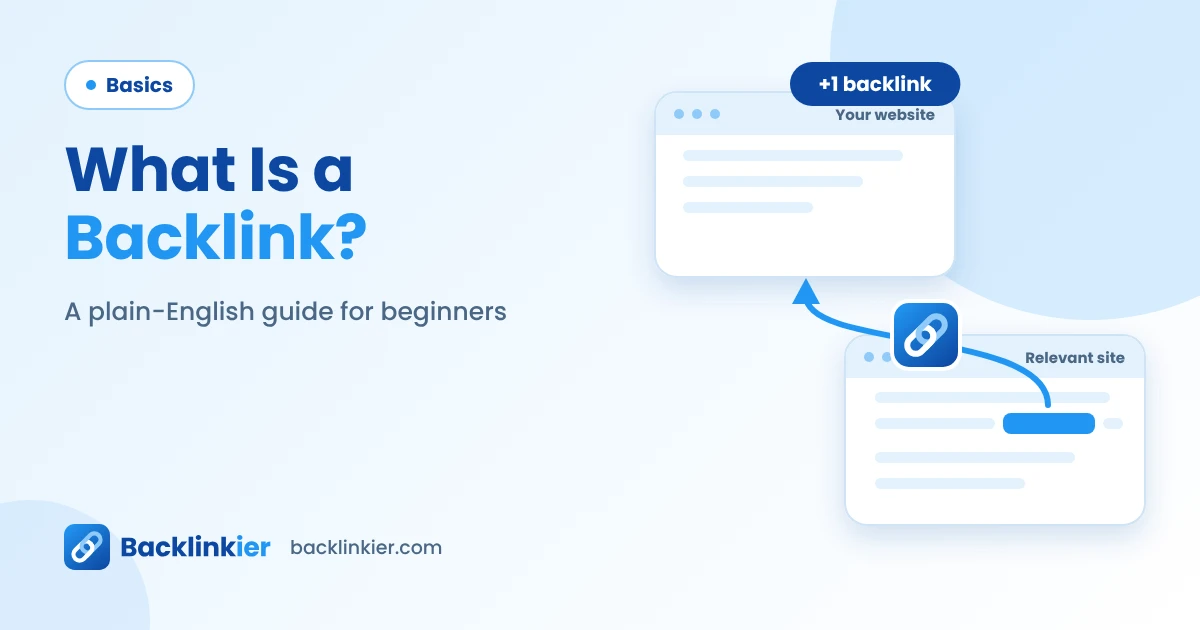
Link buying refers to purchasing links from a website owner, publisher or website agency, each of which provides a link back to your website in their respective content. They can be in the body of blog posts, resource lists, product reviews, or even in a separate sponsored post.
This is one of the methods that businesses may choose due to the fact that they need to create content regularly, put in effort and time to get organic backlinks.
Placing your brand in front of your target audience can be done much quicker with a paid placement. But it is important to note that any link that is paid in order to artificially inflate search engine result pages can be considered spam and thus can be in violation of Google's guidelines transparency reigns supreme.
Why Do Website Owners Buy Links?
Website owners are curious about paid link building for many reasons. Many are looking to gain brand awareness by having their name and website mentioned on trusted blogs, which are read by their target customers.
Others are concerned with targeting audiences that are relevant and could turn into subscribers, leads or customers. Another great motivator is referrals. If you have a trusted website that receives a lot of traffic, a well-placed link can direct traffic to your landing page that is interested in the topic.
Also, many owners use paid placements to find out about other websites that publish content that is relevant to their interests. All these investments have one thing in common: to boost online visibility on different channels.
How to Buy Links Safely and Responsibly
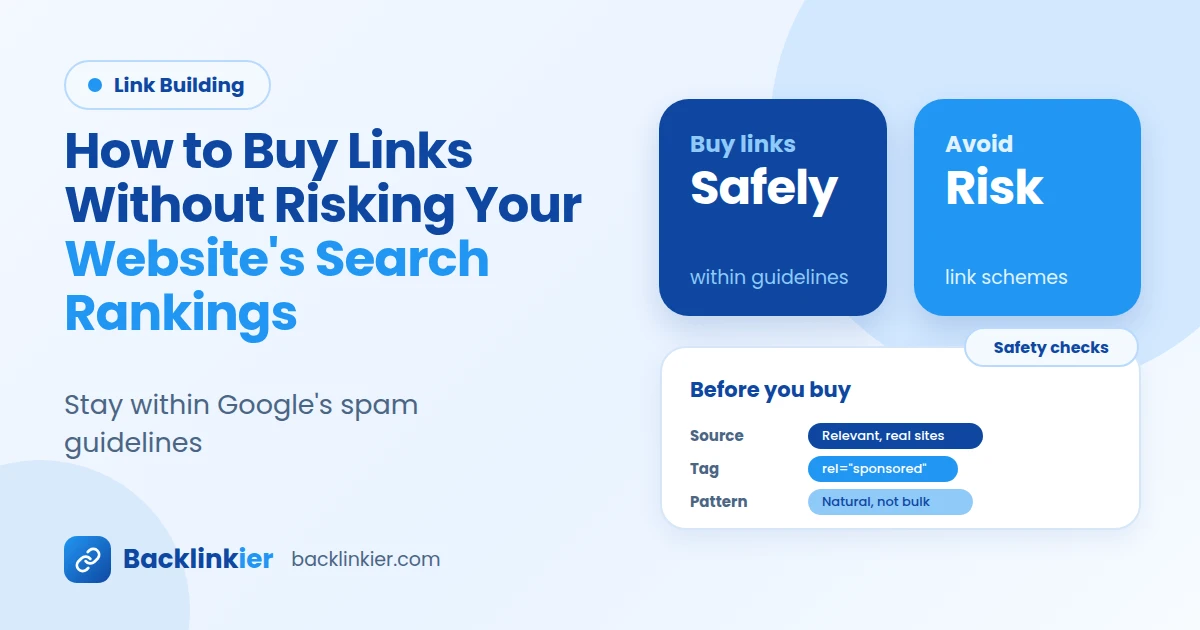
If you are considering this option, it is important to do this carefully and knowledgeably. First, identify websites that are relevant which actually share your target audience in your niche. A link from a totally different website is not much of a marketing opportunity, and can trigger a red flag for search engines.
Then check the quality of each of the websites. Look at their standards of content, level of interaction with the audience and their reputation in the field. Rely not just on the traffic claims made by the site owner, but rather use a reliable tool such as SimilarWeb, Ahrefs or SEMrush to check out real traffic.
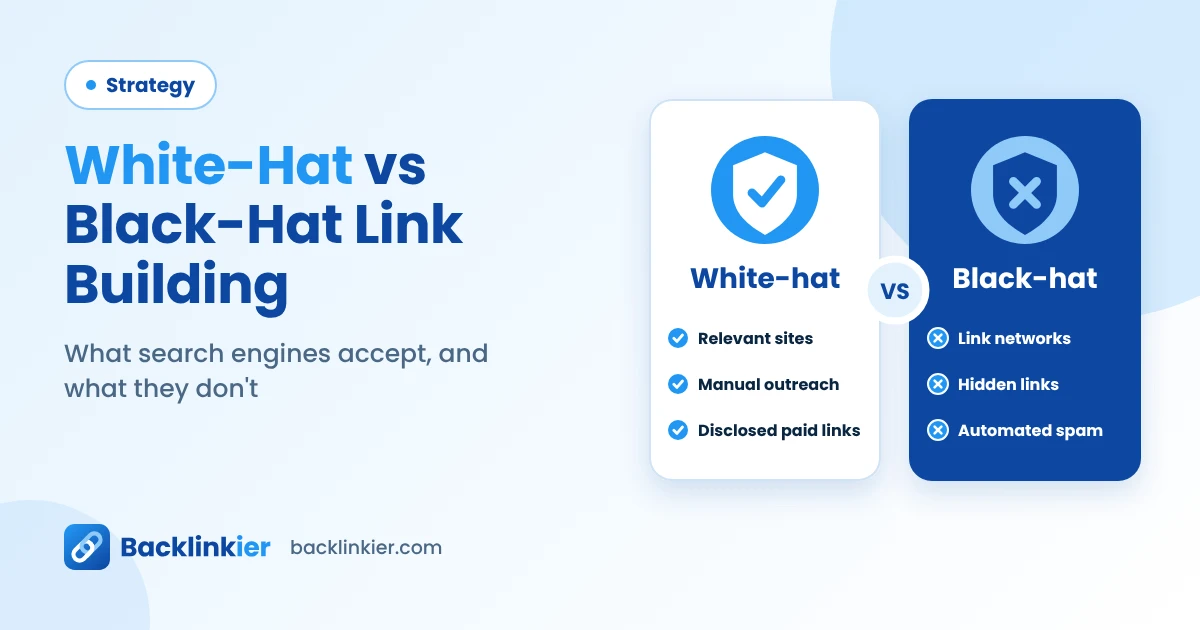
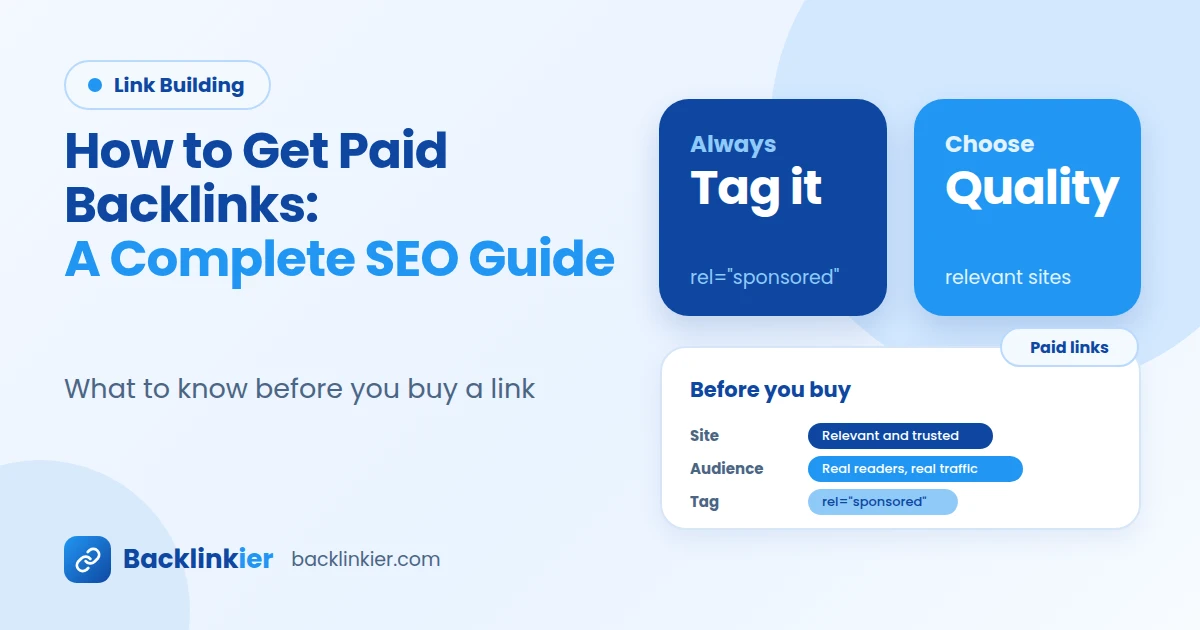
Understand the important difference between sponsored content and editorial placements. Honest publishers will mark links to paid content (with rel="sponsored") as such and will follow search engine guidelines.
Do not look for a service that promises you to get you the best ranking in search engines or the number of hundreds of backlinks within one night. The following are red flags. Be honest about your ads and make sure that they don't try to trick the search engines.
Important Things to Check Before Buying Links
If you intend to invest your money in any kind of paid plan, make sure to carefully analyze the relevance of the websites. A link from an authoritative site in your industry is worth a lot more than one from a directory or blog that doesn't really have an audience.
Be mindful of the quality of the content and how it's engaging your audience. Are people reading, sharing and commenting the articles found on the site, or is the website more of a link farm to sell placements? Ensure that the traffic is legitimate, otherwise fake visitors won't benefit your business in any viable manner.
It's also important that there is clarity around pricing. A good publisher will tell you exactly what you are paying for, such as how long your content will be published, editorial review, and so on. A clear editorial standards is a good indicator of a trusted publishing partner.
Risks of Buying Backlinks
It's important to be aware of the risks before spending money on your marketing campaign. Google's link spam policies are explicit that the purchase and sale of links with the main purpose of influencing PageRank is a violation. If your website is found to be spammy, it may be penalized by Google or other search engines, which could lead to a drop in rankings.If your website is deemed to be spamming, it may be penalized by Google or another search engine, resulting in a drop in rankings.
Another serious concern is of low quality websites. There are numerous websites that actively post links, but lack meaningful content, inflated traffic figures, or no real traffic. If you have to pay to place links on these websites, then you are only spending your money and it can negatively affect your overall backlink quality.
There's also the risk of your brand getting sullied with spammish link networks. If a scheme is discovered, removing them and regaining your rank can take months of tedious work.
Better Alternatives to Buying Links
When the risks bother you, there are a number of safe ways to build links that will yield great results over the long-term. Guest posting with disclaimer allows you to present your knowledge in relevant blogs and get beneficial contextual backlinks.
Producing valuable, innovative content is still one of the best and most enduring tactics. The articles based on research, detailed guides, infographics and free tools automatically get editorial links over the years. Digital PR campaigns can also attract great mentions from trusted publications and news sites.
Help journalists with your expert's contribution by using HARO or Qwoted. In fact, it's quite possible that you can create authentic relationships with relevant publishers which will result in organic links that are safe and far more sustainable than paid links.
How Much Does Link Building Cost?
The price of SEO link building can differ significantly from one to another based on a variety of factors. Price varies between websites because of its theme, relevance, audience size, content quality, domain authority and the nature of the publishing partnership one chooses.
A sponsored article in a small niche blog can cost a couple hundred dollars, and sponsored articles in a high-quality article in a big industry publication can cost thousands of dollars. Beware of services that appear to have a good price for bulk purchases, but almost invariably come with poor link networks.
Don't be concerned with the lowest bid, concentrate on the worth of every individual placement. A single relevant and good link can be a lot more valuable than a lot of trivial links.
Final Thoughts
Now that you know how to purchase links, there's a much bigger puzzle of digital marketing that you must complete. Paid placements have short term benefits of visibility, but also have serious risks something that every website owner must be aware of before playing the game.
Make every link building decision with the criteria of quality, transparency, and relevance to the audience. Use a blend of paid and organic tactics, such as content creation, digital PR and building authentic relationships, for best results. Earning genuine trust and authority over time is the best way to grow a sustainable website.Building a sustainable website is all about earning trust and authority, not cutting corners or engaging in quick fixes.