
Backlinks still matter, and even more than ever.
But most websites don’t even have them.
And it’s not just quantity, quality matters too.
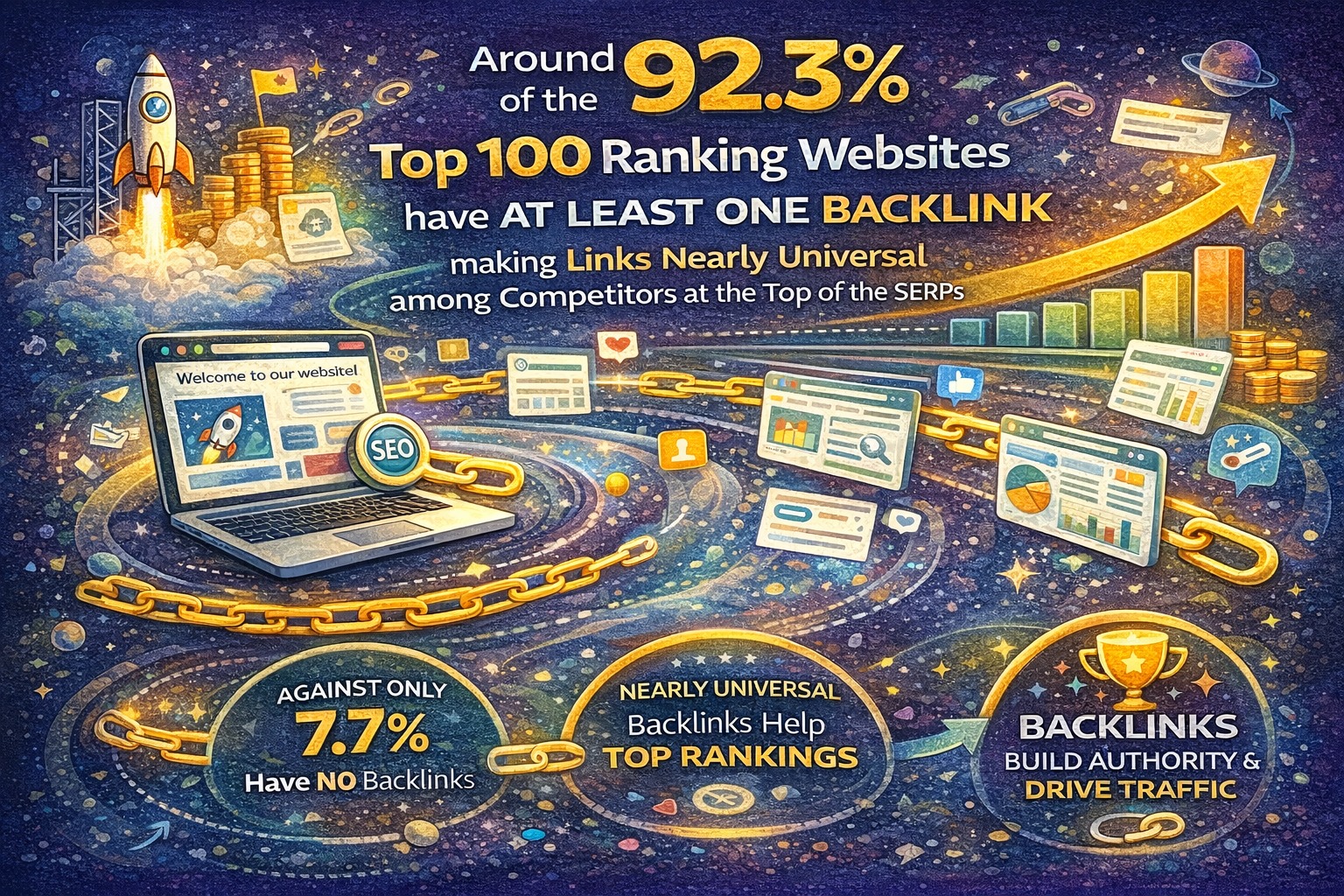
Around 92.3% of the top 100 ranking websites have at least one backlink, making links nearly universal among competitors at the top of the SERPs.
These aren’t just numbers.
This is evidence that if you want real SEO growth, you must find backlinks to your website.
And understand what those links mean.
So, in this article, you’ll learn how to find backlinks to your website using simple, practical methods.
Your backlink profile tells search engines how trustworthy your website looks.
It’s not just about how many links you have. It’s about where those links come from and how they point to your site.
A healthy backlink profile usually shows:
On the other hand, a weak backlink profile often includes:
Search engines use this information to judge credibility. If your backlink profile looks natural and balanced, your SEO benefits. If it looks manipulative, rankings can suffer.
That’s why checking your backlink profile isn’t optional.
It’s the foundation of smart SEO growth.
Finding backlinks isn’t complicated when you know where to look.
The easiest way to find backlinks to your website is by using top SEO marketing tools that show which sites are linking to you. These tools scan the web and list every external page that points to your domain.
When you check backlinks to your website, you’ll usually see:
This gives you a clear picture of your current backlink profile.
You don’t need advanced knowledge to start. Even basic backlink tools can help you understand:
Finding backlinks is the first step.
Once you know what links you already have, you can decide how to improve your SEO backlinks strategy instead of working blindly.
You don’t need paid tools to get started.
If you want to find backlinks to your website for free, your first stop should be Google Search Console.
It shows which websites link to you and which pages get those links.
Free methods can help you:
There are also free versions of SEO tools that show a limited number of backlinks. They’re not perfect, but they’re good enough to understand your backlink profile at a basic level.
Free tools won’t show everything.
But they’re more than enough to start tracking SEO backlinks and make smarter decisions.
Not every backlink helps your SEO. Some do the opposite.
When you check backlinks to your website, don’t just count them. Look at their quality.
Quality backlinks usually come from:
Low-quality links often look:
If a link doesn’t make sense to a real user, it probably won’t help SEO either.
Checking backlink quality helps you understand which links strengthen your site—and which ones you should avoid or clean up.
Your competitors already did part of the work for you.
If a website links to your competitor, it means they’re open to linking to content like yours. That’s why competitor backlinks are one of the best sources of SEO opportunities.
To find competitor backlinks:
This shows you:
Instead of guessing where to get links, competitor backlink analysis helps you focus on opportunities that already work.
Finding SEO backlinks is only the starting point. What you do next matters more.
Once you know which sites link to you, look for patterns. Identify which pages attract the most links and why. That tells you what type of content works.
Next steps should be simple:
If you spot weak or spammy links, keep an eye on them so they don’t harm your SEO.
Backlink data is valuable only when you act on it.
Used correctly, it helps you build stronger links and grow SEO the right way.
You can’t improve your SEO if you don’t know who’s linking to you.
Learning how to find backlinks to your website gives you clarity. It helps you understand your backlink profile, spot quality backlinks, and uncover competitor backlink opportunities.
You don’t need complex tools or advanced tactics to start. Regularly checking your SEO backlinks is enough to make smarter decisions and avoid working blindly.
When you know your links, you control your SEO growth.