
Backlinks still play a major role in SEO.
But the way we build them has changed.
You don’t need to guess anymore.
Your competitors already show you what works. how to find competitor backlinks?
According to Ahrefs, over 66% of pages have no backlinks at all.
That means most websites never build authority in the first place.
Now think about this.
A study by Backlinko found that pages with more backlinks tend to rank higher than those with fewer links.
Not just slightly, consistently across search results.
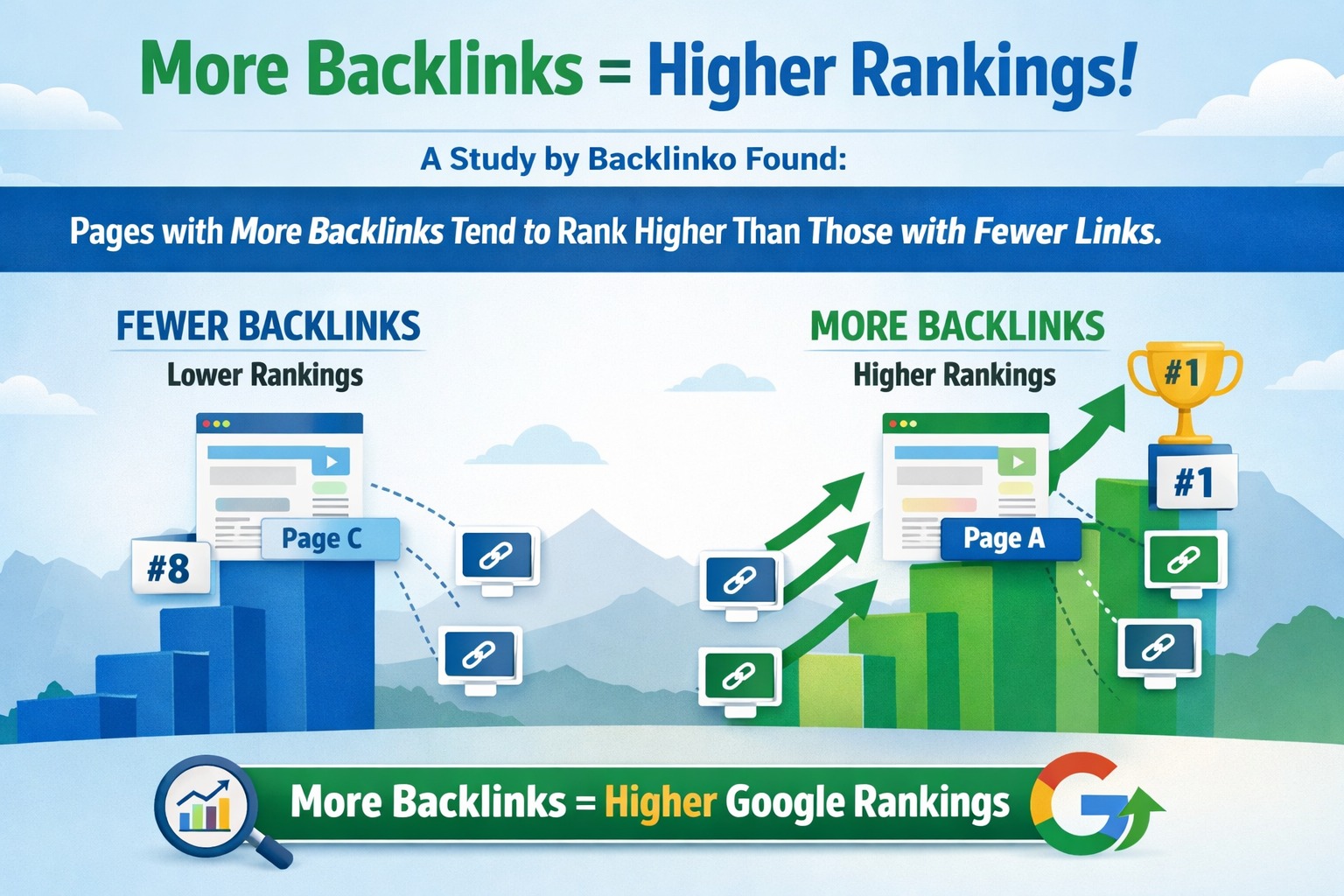
See! This creates a clear pattern:
But here’s the smarter approach.
Instead of building links randomly, you can study your competitors.
You can see:
This is called competitor backlink analysis.
And it’s one of the fastest ways to improve your SEO without wasting time.
In this guide, you’ll learn:
In short, this is not about copying links.
It’s about using proven data to build smarter SEO strategies.
Competitor backlinks are the links pointing to your competitors’ websites.
Simple.
These are the backlinks that help them rank higher in search results.
In SEO, backlinks act like signals of trust.
But competitor backlinks show you something more important:
What Google is already rewarding.
See! Instead of guessing which links work, you analyze real data.
When a website ranks on page one, its backlinks are not random.
They come from:
These links form what we call a competitor backlink profile.
And this profile tells you:
This is why SEO competitor backlinks are powerful.
They remove uncertainty.
Instead of building links blindly, you follow patterns that already exist.
But remember!
Not every competitor’s backlink is worth copying.
Some may be:
The goal is not to copy everything.
The goal is to understand what works and use it better.
Finding competitor backlinks is not complicated.
You just need the right process.
See! Most people overthink this step.
But in reality, it comes down to a few simple actions.
Start with Google.
Search your main keyword and look at the top-ranking pages.
These are your actual SEO competitors — not just business competitors.
Focus on websites that:
Now you need data.
This is where a competitor backlinks tool comes in.
Tools like:
Let you see exactly where your competitors are getting their backlinks.
Just enter your competitor’s URL.
And the tool will show you:
Once you have the data, don’t rush.
Go through the backlink list carefully.
At this stage, you are not building links.
You are observing patterns.
Look for:
Not every backlink is useful.
This is where most people fail.
Focus only on links that are:
Ignore:
Now turn data into action.
Create a list of:
In short, this is how you find competitor backlinks effectively.
Not by copying everything.
But by identifying what actually works.
Finding backlinks is easy.
Checking them properly is where the real work happens.
See! Not every backlink is worth your attention.
You need to filter them.
Start with relevance.
Does the linking site match your niche?
If not, ignore it.
Next, check the authority.
Stronger websites usually pass more value.
Then look at placement.
Links inside content (contextual backlinks) are far more powerful than links in footers or comments.
Also, watch out for:
Remember! Data alone is useless without evaluation.
If you don’t check competitor backlinks the right way,
You’ll end up copying what doesn’t work.
Competitor backlinks analysis is not about collecting data.
It’s about understanding patterns.
See! The goal is simple: find what’s working and why.
Start by identifying relevant backlinks.
Links from related websites carry more SEO value.
Next, look for powerful backlinks.
These usually come from strong domains with good authority and traffic.
Then focus on patterns.
Ask yourself:
This is where real insights come from.
Ignore random links.
Focus on repeatable opportunities.
In short, competitor backlinks analysis helps you stop guessing
and start building links that actually work.
Not all competitor backlinks are worth copying.
Some can actually harm your SEO.
Start with toxic backlinks.
These come from spammy, irrelevant, or low-quality websites.
They add no value and may hurt rankings.
Avoid them.
Next, look for broken backlinks.
These are links pointing to pages that no longer exist.
See! This is an opportunity.
If a competitor has broken backlinks, you can replace them with your own content.
This is called broken link building.
And it works because you’re fixing a problem.
In short:
That’s how you stay safe and smart at the same time.
Now comes the important part.
Using competitor backlinks the right way.
See! The goal is not to copy links.
It’s to use them as a strategy.
Start by replicating what works.
Reach out to websites that already link to your competitors.
But don’t just ask for a link.
Offer better value:
Next, focus on relevant backlinks.
These have the highest impact on rankings.
Also, look for easy wins:
Remember! Smart link building beats random link building.
In short: Analyze → improve → replicate
That’s how you turn competitor backlinks into higher rankings.
Competitor backlinks are not shortcuts.
They are insights.
They show you what already works in your niche.
And they remove the guesswork from link building.
See! The difference is not in finding links.
It’s in understanding them.
When you analyze competitor backlinks properly, you stop wasting time on strategies that don’t work.
Instead, you focus on:
This may result in fewer links.
But those links carry more value.
In short: Analyze → filter → replicate → improve
That’s how you build backlinks that actually help you rank higher.