If your rankings are dropping, it’s not always your content.
Sometimes, it’s your backlinks. Toxic backlinks, to be specific.
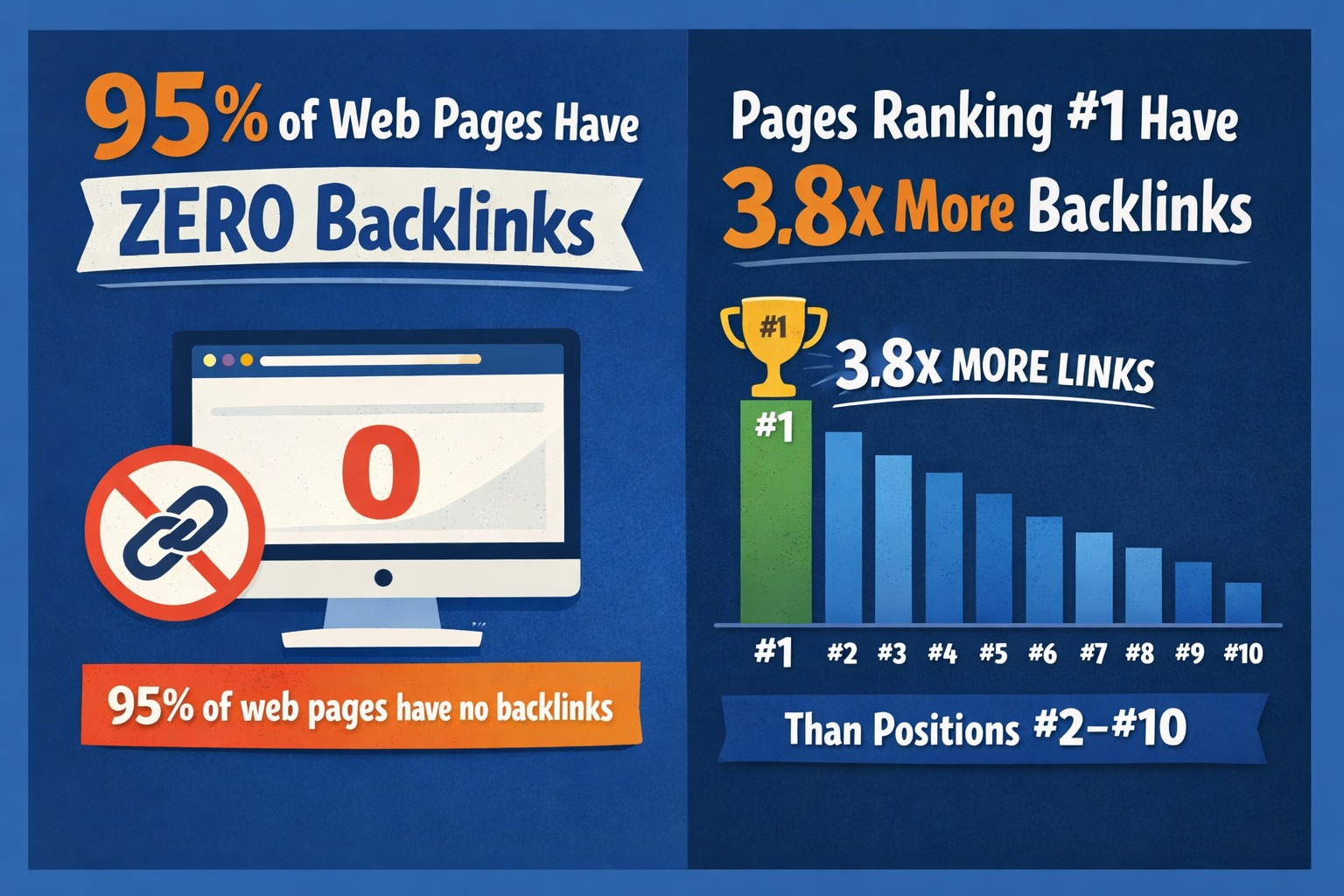
Here’s the reality most people ignore:
That tells you one thing:
Backlinks don’t just help rankings.
They define them.
But here’s where it gets dangerous.
“Not all backlinks are good.”
A single toxic backlink from the wrong website can do more damage than 50 good ones can fix.
how to fix toxic backlinks?
And the worst part?
Most website owners are actively building links, but never checking them.
They focus on getting backlinks. Not auditing them.
That’s how rankings drop silently.
No penalty notification. No warning.
Just a slow decline.
In this guide, I’ll break down:
- What are toxic backlinks
- How to find toxic backlinks
- And how to remove toxic backlinks before they destroy your SEO
Because in modern SEO, it’s not just about building authority.
It’s about protecting it.
What Are Toxic Backlinks?
Toxic backlinks are links coming from low-quality, spammy, or irrelevant websites that harm your SEO instead of improving it.
They send the wrong signals to Google.
Instead of building authority, they reduce trust.
Here’s the simplest way to understand it:
→ A backlink should act like a recommendation.
→ Toxic backlinks act like a bad reputation.
These links usually come from:
- Spam websites with no real content
- Link farms and private blog networks (PBNs)
- Irrelevant niches
- Auto-generated or scraped pages
- Sites filled with ads, malware, or duplicate content
Now compare that with
relevant backlinks.
A relevant backlink comes from a website in your niche, placed naturally inside content, with proper context.
Even stronger are editorial links.
These are links placed naturally within high-quality articles on trusted websites.
They carry real authority because they are earned, not manipulated.
That’s the key difference:
- Relevant backlinks build trust
- Editorial links build authority
- Toxic backlinks destroy both
And Google is very good at spotting the difference.
If your backlink profile is filled with low-quality or irrelevant links, your entire website can lose credibility.
Not because of your content.
But because of who is linking to you.
Why Toxic Backlinks Hurt Your SEO
Google doesn’t just look at how many backlinks you have.
It looks at who is linking to you.
And if those links come from the wrong sources, your entire website loses trust.
Here’s how toxic backlinks damage your SEO:
First, they weaken your authority.
Backlinks are supposed to act like endorsements.
But when those endorsements come from spammy or irrelevant websites, they signal low quality.
Instead of boosting rankings, they dilute your link profile.
Second, they can trigger Google penalties.
Google’s algorithms (like Penguin) are designed to detect manipulative link patterns.
If your backlink profile looks unnatural, you may face:
- Ranking drops
- Keyword devaluation
- Or a complete loss of visibility
And the worst part?
You don’t always get notified.
Third, they slow down your rankings.
Even if you’re building good links, toxic backlinks can hold your site back.
Think of it like this:
→ You’re adding strong, relevant backlinks
→ But toxic backlinks are pulling you down at the same time
That’s why some websites never move up—no matter how many links they build.
Finally, they affect long-term SEO stability.
A clean backlink profile builds consistent growth.
A toxic one creates volatility.
Rankings go up → then drop.
Traffic increases → then disappears.
No consistency.
That’s why SEO is not just about building backlinks.
It’s about maintaining a clean, trustworthy link profile.
Because one toxic pattern can cancel out months of effort.
How to Find Toxic Backlinks
You can’t fix what you don’t see.
So first, you need to find toxic backlinks.
Start with Google Search Console.
Go to Links → External Links and export your backlinks list.
This gives you a raw view of who is linking to your site.
Next, use a toxic backlinks checker like:
These tools flag suspicious links based on spam signals, authority, and relevance.
But don’t rely only on tools.
Manually check for:
- Irrelevant websites
- Spammy domains
- Pages with no real content
Because tools give data.
But judgment comes from you.
Finding toxic backlinks is not complicated.
It just requires attention.
And most people skip it.
How to Check Toxic Backlinks Properly
Finding links is easy.
Checking them properly is where most people fail.
To check toxic backlinks, focus on quality, not just metrics.
Ask simple questions:
- Is the website relevant to your niche?
- Does it have real content or just links?
- Does it look trustworthy or spammy?
Watch for clear red flags:
- Random foreign language sites
- Pages filled with outgoing links
- Exact-match spammy anchor text
- Very low-quality or auto-generated content
Also, don’t confuse everything.
→ Broken backlinks are not toxic.
They just don’t work anymore.
→ Toxic backlinks actively harm your SEO.
That distinction matters.
Because removing the wrong links can hurt your rankings.
So don’t rush.
Check links with logic, not just tools.
How to Remove Toxic Backlinks
Once you identify toxic links, the next step is simple:
Remove them.
Start with outreach.
Contact the website owner and request link removal.
Some will ignore you. That’s normal.
For the rest, use Google’s Disavow Tool.
This tells Google:
“I don’t want these links associated with my site.”
Steps:
- Create a list of toxic URLs or domains
- Upload it to the Google Disavow Tool
- Wait for reprocessing
But be careful.
Don’t rush to remove toxic backlinks blindly.
If you disavow good or relevant backlinks by mistake, you can lose rankings.
Be precise.
Because cleanup is powerful, but only when done right.
Build Safe Links Instead (What to Do After Cleanup)
Removing bad links is only half the job.
Now you need to replace them with better ones.
Focus on relevant backlinks.
Links from websites in your niche, placed naturally inside content, carry real weight.
Even better, get editorial links.
These are links placed inside high-quality articles on trusted websites.
They look natural, pass authority, and build trust.
This is what a healthy backlink profile looks like:
- Niche relevance
- Contextual placement
- Real websites with traffic
Not random links.
Strategic ones.
Because SEO is not just about removing toxic backlinks.
It’s about replacing them with links that actually move rankings.
Common Mistakes
- Removing backlinks without proper checking:
Many people panic and start deleting links. Not every low-quality link is toxic. Removing the wrong ones can weaken your SEO instead of improving it.
- Relying completely on a toxic backlinks checker:
Tools help, but they are not always accurate. A link marked “toxic” is not always harmful. You still need manual review.
- Disavowing relevant backlinks by mistake:
This is one of the biggest errors. If you remove strong or relevant backlinks, you lose authority and rankings.
- Ignoring backlink audits for too long:
Toxic backlinks build up over time. If you don’t check regularly, the damage becomes harder to fix.
- Confusing broken backlinks with toxic backlinks:
Broken backlinks don’t harm you. They just don’t pass value. Toxic backlinks actively damage your profile.
- Building new links without cleaning old ones:
You can’t outrank competitors if your backlink profile is already weak. Cleanup should come before growth.
- Using cheap, automated link services:
These usually create the same toxic backlinks you later have to remove. It’s a cycle that hurts your site.
- Overusing the disavow tool:
Disavow is powerful, but risky. If used incorrectly, it can remove valuable signals from your site.
Conclusion
Toxic backlinks don’t just slow your SEO.
They quietly destroy it.
You can build content.
You can build links.
But if your backlink profile is unhealthy, rankings won’t hold.
That’s the reality.
So the strategy is simple:
- Find toxic backlinks
- Check them properly
- Remove toxic backlinks carefully
- Replace them with relevant backlinks and strong editorial links
Because SEO is not just about growth.
It’s about control.
Clean links build trust.
Relevant links build authority.
And a strong backlink profile builds rankings that last.