
Comment backlinks for SEO are one of the oldest link-building tactics in SEO.
And they still work, if you do them correctly.
Most people treat blog commenting like spam.
They drop a generic line.
Paste their URL
And move on.
That approach stopped working years ago.
Modern SEO is different.
Search engines value relevance, authenticity, and context. If your comment adds value to the discussion, it can generate relevant backlinks, referral traffic, and even relationships with website owners.
And backlinks are still one of Google’s most important ranking signals.
According to Google’s own search advocate, John Mueller, links remain one of the top ranking factors used by Google’s algorithm.
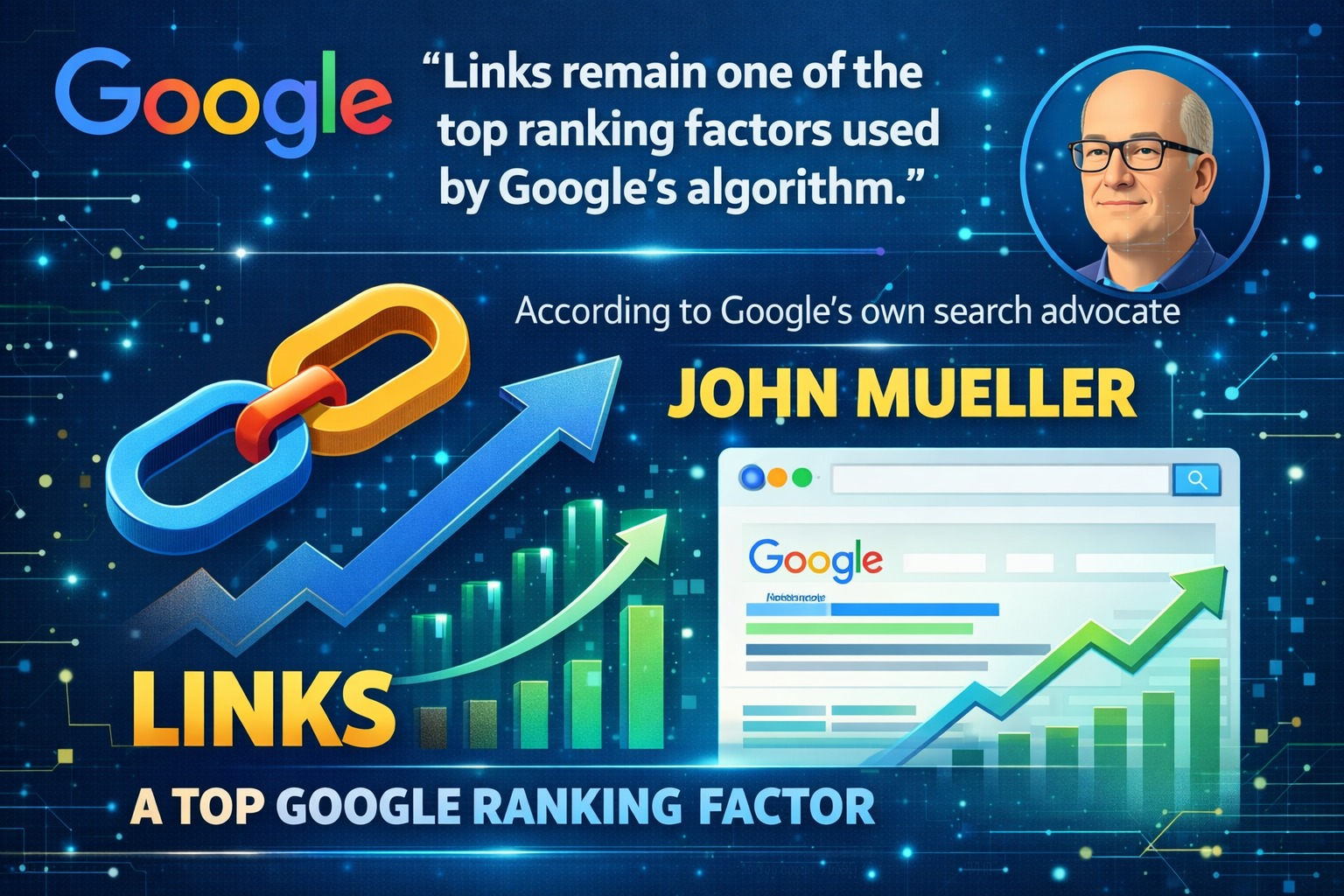
That’s why SEO professionals still focus on building relevant backlinks from trusted websites.
In this guide, we’ll break down 10 practical tips for building comment backlinks the right way.
Before you start, it’s important to understand comment backlinks SEO.
When you comment on a blog and include your website link, the platform may create a backlink to your site. These are commonly called blog comment backlinks.
However, not all comment links pass authority.
Some are:
Even when a link is nofollow, it can still bring value through traffic, relevance signals, and brand visibility.
The key is quality, not volume.
One of the biggest mistakes in blog commenting is targeting random websites.
If your website is about SEO, commenting on a cooking blog will not help much.
Instead, focus on relevant backlinks.
Look for blogs that discuss:
When your comment appears in the right context, it becomes more valuable for both readers and search engines.
This sounds obvious, but many people skip this step.
Generic comments like:
“Great post, thanks for sharing!”
do not add value.
Website owners can easily detect spam comments, and many delete them immediately.
Instead:
When your comment shows genuine engagement, it stands a much better chance of being approved.
Think of your comment as a mini contribution to the discussion.
Good comments often:
For example:
Instead of writing a generic comment, you could say:
“I’ve noticed the same thing with comment backlinks SEO. Blogs that moderate comments carefully usually bring better referral traffic compared to open comment sections.”
Comments like this show that you actually read the article.
Some blogs allow dofollow comment backlinks, which means the link can pass SEO value.
These are more powerful than standard nofollow links.
You can find them by searching for:
However, don’t chase only dofollow links.
Many high-quality blogs use nofollow comments, but the traffic and credibility they provide can still be valuable.
Years ago, people used keyword-rich names in comments like:
That strategy looks spammy today.
Instead, use:
Search engines and blog moderators prefer natural profiles.
Using a genuine identity also helps build trust and relationships in the community.
Some people try to create hundreds of comment backlinks in one day.
That approach can harm your SEO instead of helping it.
Search engines look for natural link patterns.
Instead of quantity, focus on quality interactions on reputable blogs.
A few good comments on authoritative websites can be far more valuable than dozens of spammy links.
If you’re wondering how to create comment backlinks, the easiest way is to find blogs that actively allow comments.
Look for websites that:
You can also search for blog comment backlinks list resources that compile blogs where commenting is allowed.
Just remember to prioritize relevance.
Blog commenting is not only about links.
It’s also about visibility.
When you regularly leave thoughtful comments on industry blogs, people start recognizing your name. Website owners may even visit your profile and explore your content.
Sometimes this can lead to bigger opportunities like:
And editorial links are far more valuable than simple comment backlinks.
Comment backlinks should never be your only SEO strategy.
They work best when combined with other link-building methods.
For example:
If you’re learning how to get backlinks, blog commenting can be a useful starting point.
But the goal should always be earning powerful backlinks from trusted websites.
Comment backlinks are often misunderstood in SEO.
They are not a shortcut to instant rankings, and they shouldn’t be treated like spam tactics.
When done correctly, blog comment backlinks can help you build relevant backlinks, drive referral traffic, and connect with other creators in your niche.
The key is simple:
Over time, these small interactions can contribute to a stronger backlink profile and open the door to more powerful backlinks and editorial links.
That’s how smart SEO professionals approach comment backlinks today.